
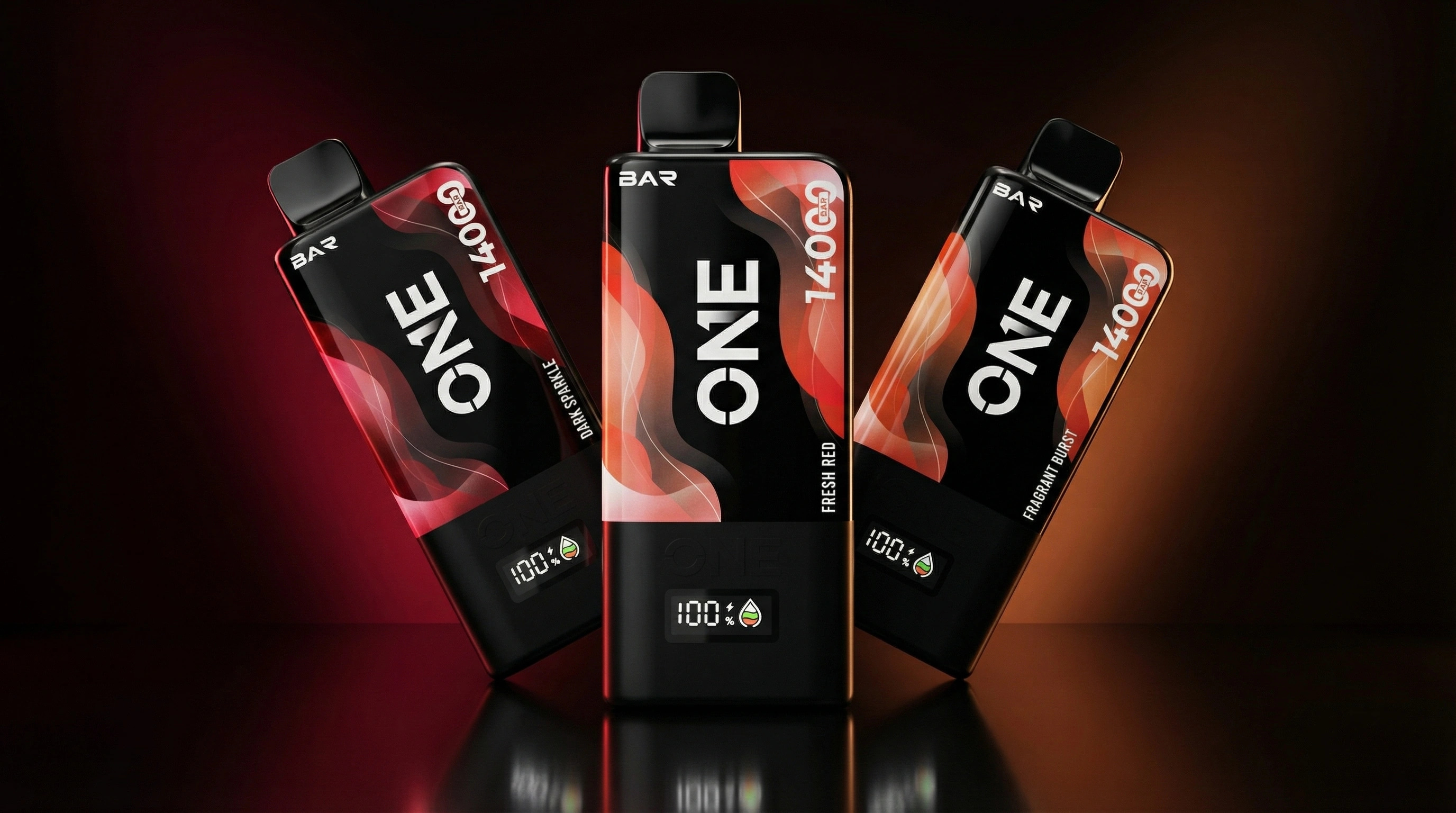
Malaysia's nicotine market may be approaching a more restrictive phase, and one of the clearest recent signals is the Ministry of Health's proposal to sharply raise excise duty on vape liquid. In October 2025, Deputy Health Minister Lukanisman Awang Sauni said the ministry had proposed to the Ministry of Finance that the current duty of 40 sen per millilitre be increased to RM4 per millilitre for Budget 2026. He said the proposal was intended to align vape taxation more closely with conventional tobacco products.
The scale of the proposed increase matters. At RM4 per ml, the rate would be ten times the current duty, and Malaysian media reported that this could raise vape liquid prices sharply. The Health Ministry's explanation in Parliament was that roughly 2 ml of vape liquid was being treated as comparable to a pack of cigarettes in puff count terms, and that the proposed rate was designed to bring tax treatment closer to that benchmark.
For market operators, the most important point is not only the tax number itself. It is what the proposal signals about regulatory direction. The same parliamentary discussion linked the tax proposal to broader concerns about youth uptake and public health, and Lukanisman also said the ministry intended to submit a memorandum to Cabinet to consider a full prohibition on vape products. That means the excise proposal should be read not as an isolated fiscal measure, but as part of a wider tightening posture.
There is also a compliance layer. The Health Ministry said e-cigarette liquids now fall under the Control of Smoking Products for Public Health Act 2024, or Act 852, which took effect on October 1, 2025, and that smoking products including vapes must be registered before import, manufacture, or distribution. The Star reported that Act 852 covers registration, advertising, sale, packaging, labelling, price control, and manufacturing of all smoking products.
For OTI-style analysis, the useful takeaway is structural: if a much higher vape duty is ultimately adopted, it could affect not only retail pricing but also product mix, channel behavior, packaging decisions, and the economics of legal distribution. Higher excise pressure can amplify the importance of SKU discipline, lawful registration, and packaging clarity, especially in a market where regulators are also discussing stricter controls at the same time. This is an inference based on the government's proposed tax change and the regulatory framework described by the Health Ministry.
The broader industry question is whether Malaysia is moving toward a more formalized two-track response: stronger tax pressure in the near term and potentially stronger restriction or prohibition policy later. Even before final budget decisions are known, the proposal already gives manufacturers, distributors, and market observers a clear reason to review pricing assumptions, documentation readiness, and regulatory exposure in the Malaysian market. This forward-looking point is an inference from the proposal and parliamentary remarks, not a confirmed policy outcome.
Source: Bernama - Health Ministry proposes sharp increase in vape liquid excise duty for Budget 2026