
The U.S. nicotine regulatory landscape shifted again this month, with the FDA proposing a product standard that would reduce nicotine in cigarettes and certain other combusted tobacco products to minimally or nonaddictive levels. Around the same time, the agency published new guidance on flavored electronic nicotine delivery system submissions and continued updating its public information on authorized e-cigarettes. For manufacturers, brand owners, and supply-chain partners, the practical takeaway is not speed to market but tighter alignment between product design, documentation, and regulatory readiness.
A second signal is procedural rather than promotional: the FDA is showing a willingness to refine review pathways while remaining selective. Reuters reported that the agency recently authorized one more vape brand in tobacco flavor only, underscoring continued caution around flavored products even as guidance evolves. For compliance teams, that combination matters. It suggests the next phase of the category will reward disciplined submissions, evidence quality, and packaging controls more than broad portfolio expansion.
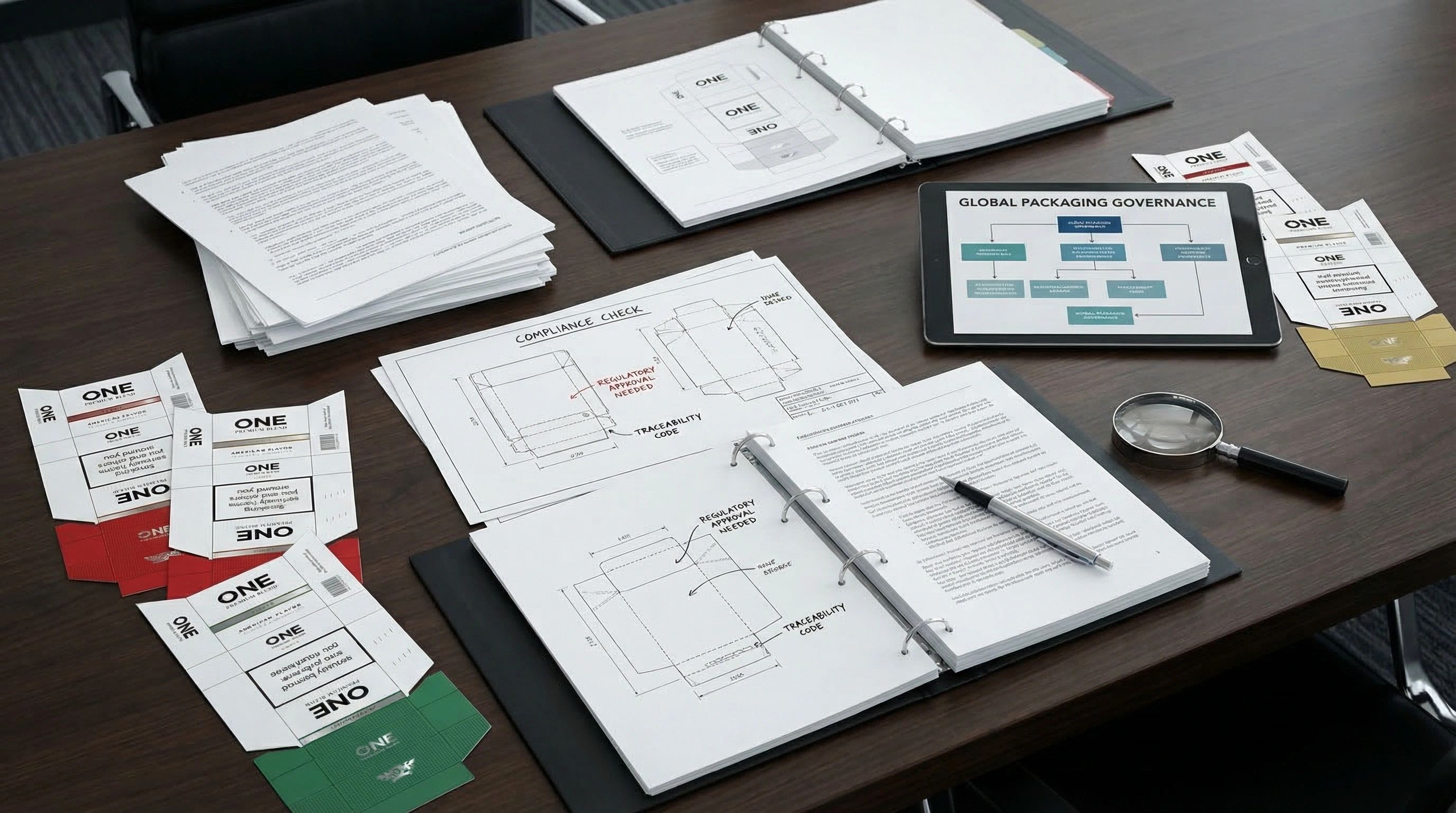
This also raises the bar for internal coordination. Regulatory teams need clean product dossiers. Operations teams need stronger lot-level documentation and version control. Packaging teams need to think beyond artwork approval toward traceability, market-specific labeling, and defensible change management. In a category under persistent scrutiny, packaging is no longer just presentation; it is part of the compliance record. That is especially relevant as authorities keep emphasizing enforcement against unauthorized products and public-facing transparency around legal market status.
For OTI-style corporate communications, the smarter framing is sober and systems-focused: how companies prepare for evolving standards, reduce avoidable compliance risk, and build resilient documentation practices across product, packaging, and distribution. The industry conversation is moving toward governance, review quality, and lawful market participation. That makes regulatory literacy and manufacturing discipline central themes for 2026.